Where strength meets self-control and healing begins.
Warrior Monk Mental Performance & Counseling (MPC) exists to support men, couples, and first responders in developing strength, clarity, and meaningful connection in the midst of demanding lives. Our work is grounded in evidence-based therapy, attachment theory, and trauma-informed care, while honoring the values of integrity, emotional discipline, resilience, and compassion. We believe that lasting change comes from learning to balance strength with self-awareness, cultivating the ability to face challenges with steadiness rather than reactivity. Warrior Monk MPC provides a space where individuals and couples can slow down, understand their patterns, strengthen their relationships, and move forward with greater purpose and alignment. Our mission is to help clients build a more grounded, integrated way of living—without shame, and with a clear path toward growth.
Individual Counseling
Individual Counseling at Warrior Monk MPC is designed for adults (18+) navigating anxiety, depression, trauma, life transitions, and challenges with identity, purpose, or direction. This work is especially relevant for men who may feel stuck, isolated, or uncertain about how to move forward but are hesitant to ask for help. Therapy provides a direct, non-judgmental space to better understand patterns, build emotional regulation, and develop practical tools for change. Whether addressing long-standing struggles or “failure to launch” concerns, the focus is on helping clients take ownership of their lives, strengthen resilience, and move toward a more grounded and purposeful way of living.
Couples Counseling & Relationship Therapy
Couples Counseling at Warrior Monk MPC focuses on helping partners rebuild connection, improve communication, and navigate conflict in a healthier, more productive way. Whether couples are facing ongoing tension, emotional disconnection, or recovering from infidelity, therapy provides a structured space to slow down and understand each other more clearly. The work centers on opening lines of communication, identifying patterns that lead to conflict, and developing skills that support trust, accountability, and intimacy. Premarital counseling is also available for couples who want to build a strong foundation by learning how to communicate effectively, resolve conflict, and align their vision for the future.
Group Therapy & Men’s Development Classes
Group Therapy and Men’s Development Classes at Warrior Monk MPC offer a structured, supportive environment where men can grow through shared experience, accountability, and guided reflection. These groups address common challenges such as stress, emotional suppression, relationship difficulties, and lack of direction, while helping men develop healthier ways of expressing strength and vulnerability. Through facilitated discussion and practical skill-building, participants learn emotional regulation, communication, and self-discipline in a setting that reduces isolation and builds connection. The group becomes a place where men can speak openly, challenge themselves, and develop a stronger, more grounded sense of identity alongside others walking a similar path.
First Responders & Veterans
Warrior Monk MPC provides specialized counseling for first responders, military veterans, and their families, recognizing the unique demands and pressures of these roles. Careers in law enforcement, fire service, EMS, and the military require constant readiness, quick decision-making, and exposure to high-stress and traumatic situations that often carry over into personal life. Therapy offers a space to process that stress, improve emotional regulation, and strengthen relationships at home. Grounded in both clinical training and lived experience, this work addresses the cultural stigma around seeking help while providing practical tools to maintain stability, resilience, and connection both on and off duty.
All counseling sessions are 90 min
Individual Counseling- $175
Couples Counseling- $225
Men’s Group- $40/ session
Warrior Monk MPC does not accept insurance directly. However, we can provide you with a superbill, which is a detailed receipt that you may submit to your insurance company for possible out-of-network reimbursement. You would pay for your sessions directly, and then your insurance company may reimburse you for part of the cost depending on your plan. Reimbursement is not guaranteed, so we recommend calling your insurance company ahead of time and asking whether your plan covers out-of-network mental health services.
What is a Warrior Monk?
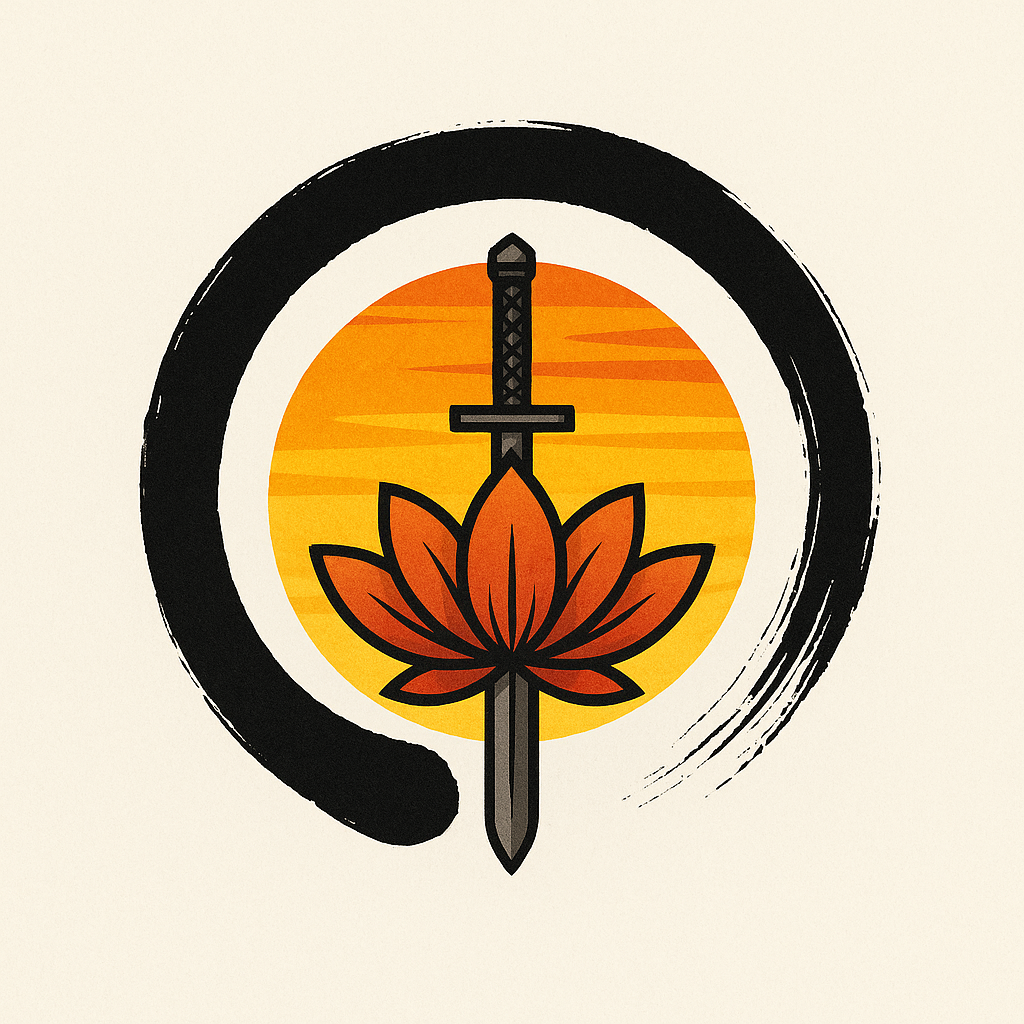
The Warrior Monk MPC Logo: Meaning & Symbolism
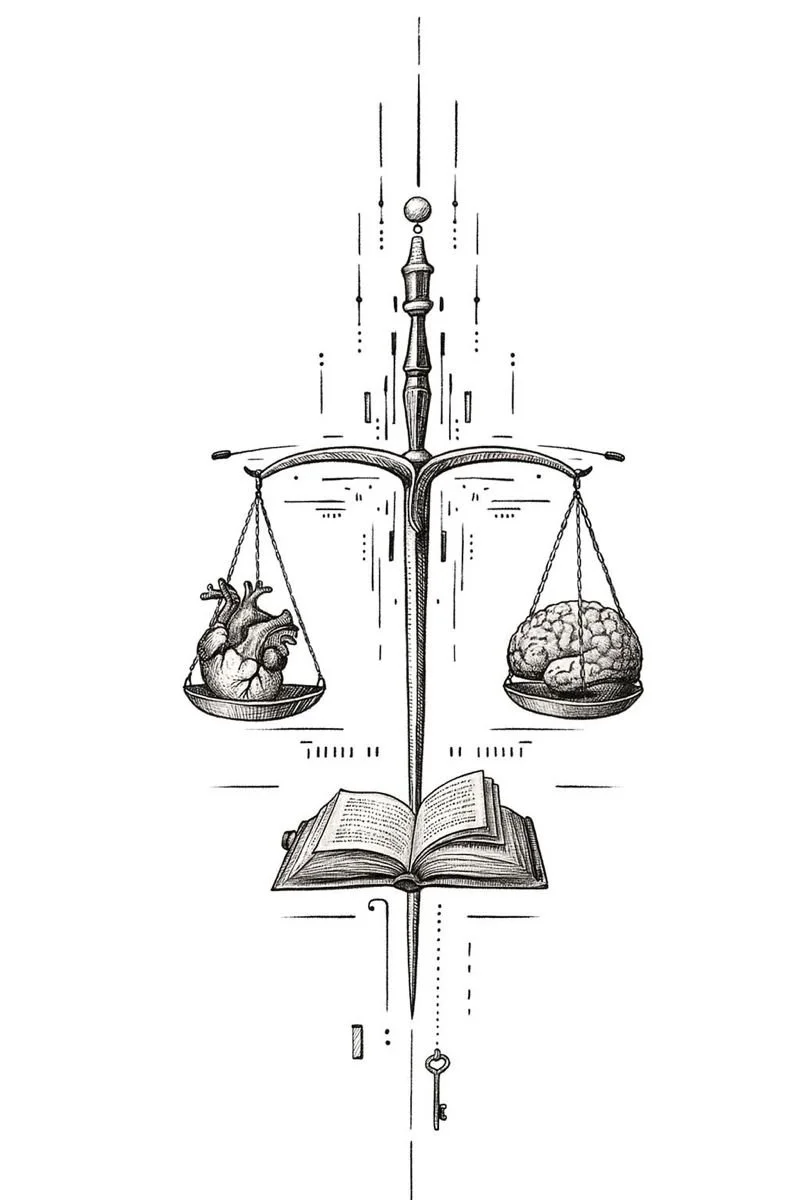
The Warrior Monk MPC logo visually represents the process of becoming this balanced, integrated self. Each symbol reflects a core aspect of healing and personal transformation.
Becoming the Warrior Monk
Together, the Enso, Lotus, and Sword represent the full journey:
Accept your imperfection.
Rise from suffering.
Cultivate disciplined strength.
Becoming the Warrior Monk means learning to live with:
Emotional regulation
Resilience
Purpose
Healthy masculinity
Compassion
Relational integrity
Leadership
Inner peace
This is not about becoming emotionless.
It is about becoming integrated.
The Lotus: Growth Through the Mud
The Lotus flower symbolizes transformation through adversity. A lotus begins deep in the mud before rising through dark waters to bloom at the surface. In the same way, many individuals struggle with anxiety, depression, trauma, addiction, grief, or relational pain. These experiences are the mud—but they do not define the person.
Healing requires moving through pain, processing hardship, and developing strength from suffering. The blossoming lotus represents resilience, growth, and the emergence of one’s fullest potential. Therapy at Warrior Monk MPC honors the difficult path many have walked and helps clients rise from their suffering into a healthier, more purposeful life.
The Downward Sword: Disciplined Strength and Restraint
The sword represents the Warrior—strength, courage, discipline, leadership, and emotional control. However, it is intentionally pointed downward, symbolizing restraint, humility, and intentional growth.
Not every challenge requires battle. The downward sword reflects the warrior entering the training ground—the therapeutic space, to sharpen the mind, regulate emotion, and develop wisdom. True strength is not constant aggression; it is the ability to act with precision, restraint, and integrity.
At Warrior Monk MPC, clients learn that healing requires both the capacity for strength and the wisdom to govern it. The sword is raised only when necessary. Most of the work is done through reflection, discipline, and growth.
At Warrior Monk Mental Performance & Counseling (MPC), the Warrior Monk represents a balanced path of healing, growth, and disciplined living. Historically, warrior monks were individuals who combined strength, courage, and protective capacity with deep spiritual wisdom, self-awareness, and inner peace. Examples can be found across cultures: the Japanese Sōhei, Buddhist monks who defended temples while pursuing enlightenment; the Shaolin monks, who cultivated martial discipline alongside mindfulness; and many Native American warrior traditions, where strength in battle was balanced by reverence, purpose, and service to tribe and family.
The Warrior Monk is not defined by violence, but by controlled strength. These traditions recognized that true power is not recklessness or domination—it is the disciplined ability to protect, endure, lead, and love without losing oneself to anger, ego, or chaos.
In today’s world, many men, couples, first responders, and veterans face immense pressure, trauma, identity confusion, relational strain, and emotional suppression. Modern society often promotes extremes—either unchecked aggression or passive disconnection—leaving many feeling lost. Becoming the Warrior Monk means reclaiming the healthy middle path:
Strength without brutality
Vulnerability without weakness
Courage without recklessness
Compassion without passivity
Leadership without domination
This approach is deeply relevant to mental health because healing often requires both warrior qualities, such as discipline, resilience, courage, strength, and accountability. Simultaneously, monk qualities, such as mindfulness, emotional regulation, compassion, and self-understanding. At Warrior Monk MPC, therapy is designed to help clients develop this integrated identity so they can navigate life’s challenges with clarity, groundedness, and purpose.
The Enso: Wabi-Sabi and the Beauty of Imperfection
The Enso, a traditional Zen symbol, represents wholeness, impermanence, and the beauty of imperfection—the philosophy of wabi-sabi. In a world driven by unrealistic expectations, comparison, and external pressure, many people feel they must appear perfect in their relationships, careers, or identities. The Enso reminds us that true growth does not come from perfection, but from embracing our humanity.
At Warrior Monk MPC, clients are encouraged to understand that they are not broken—they are evolving. Healing means learning to accept what cannot be changed, while developing the courage and discipline to change what can. Every struggle, setback, and failure can become part of a meaningful journey when approached with self-awareness and compassion.
Your Next Step
Whether you are struggling with anxiety, depression, trauma, relationship conflict, identity challenges, or the weight of high-responsibility service, Warrior Monk MPC offers a path forward.
You do not have to remain stuck in survival mode.
You can heal, strengthen, and evolve.
Step into the training ground.
Begin the path of the Warrior Monk.
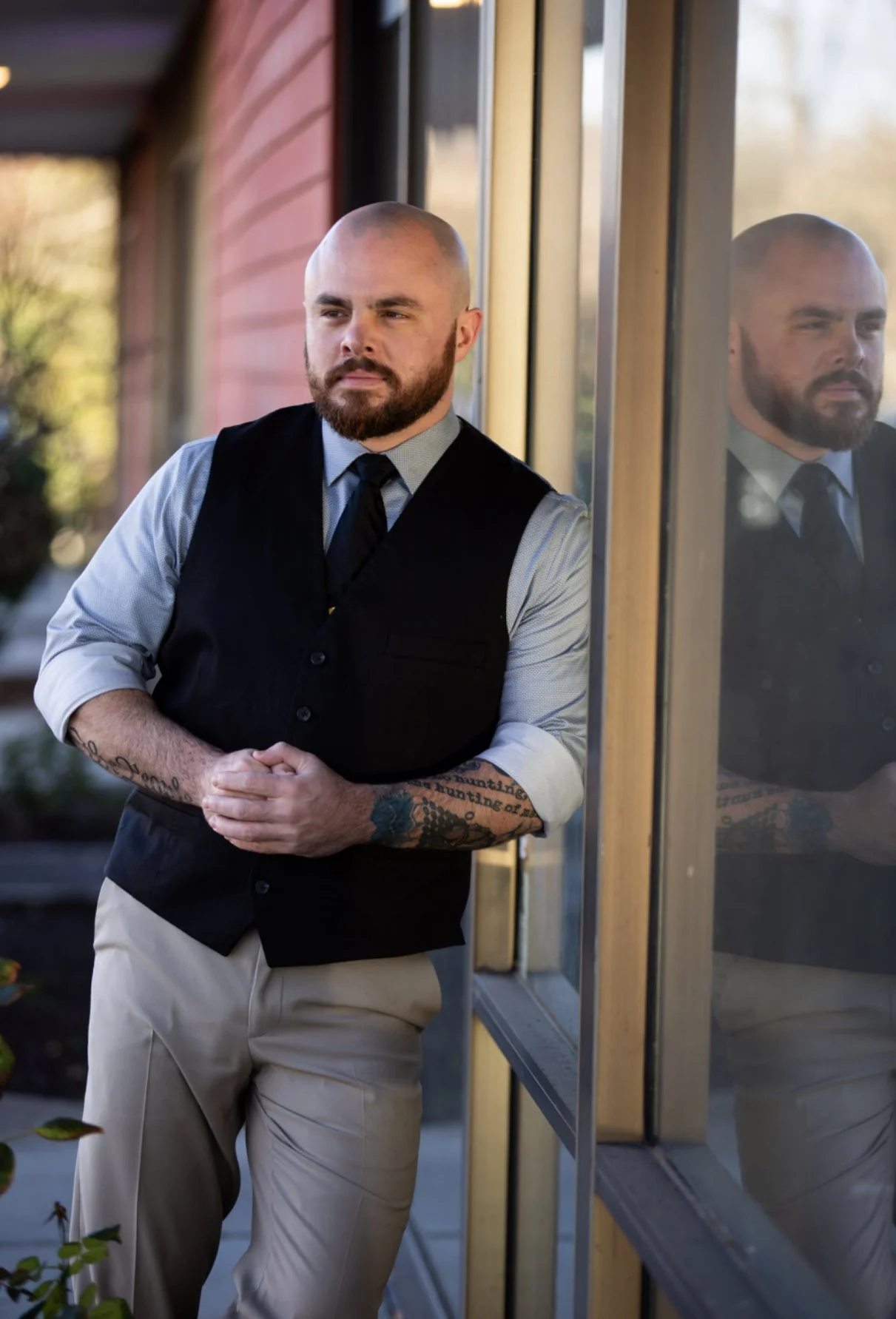
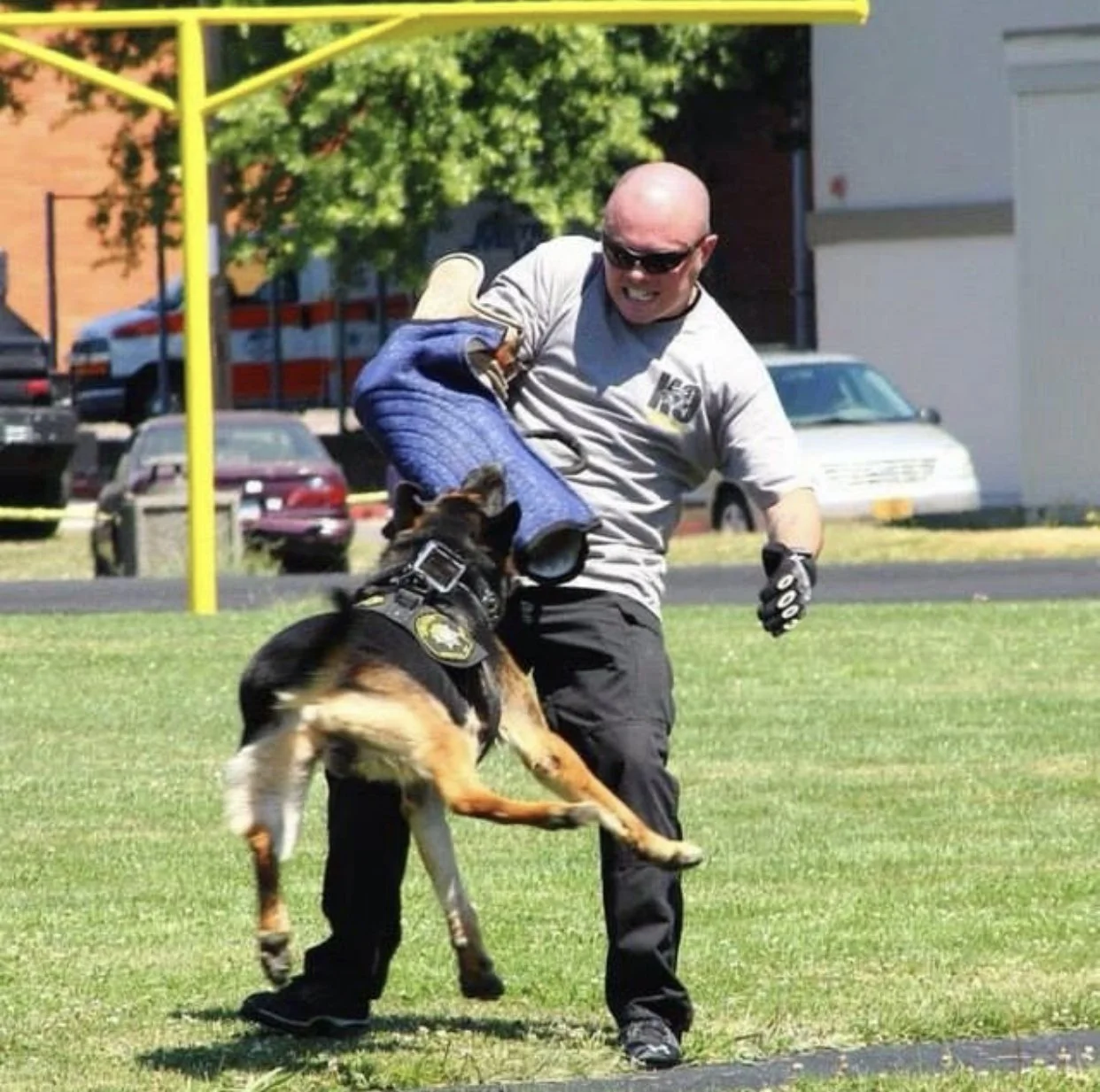
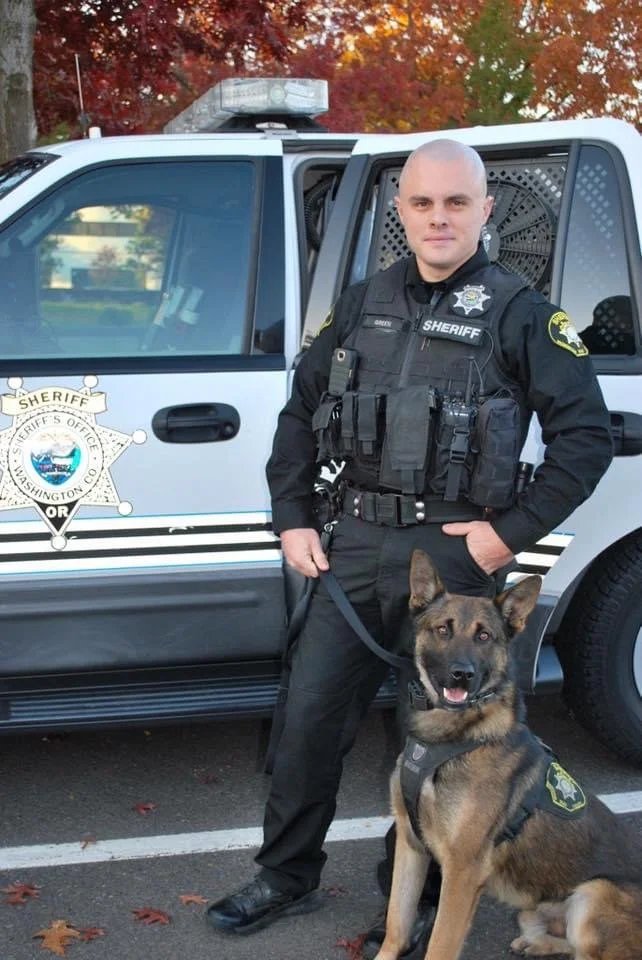
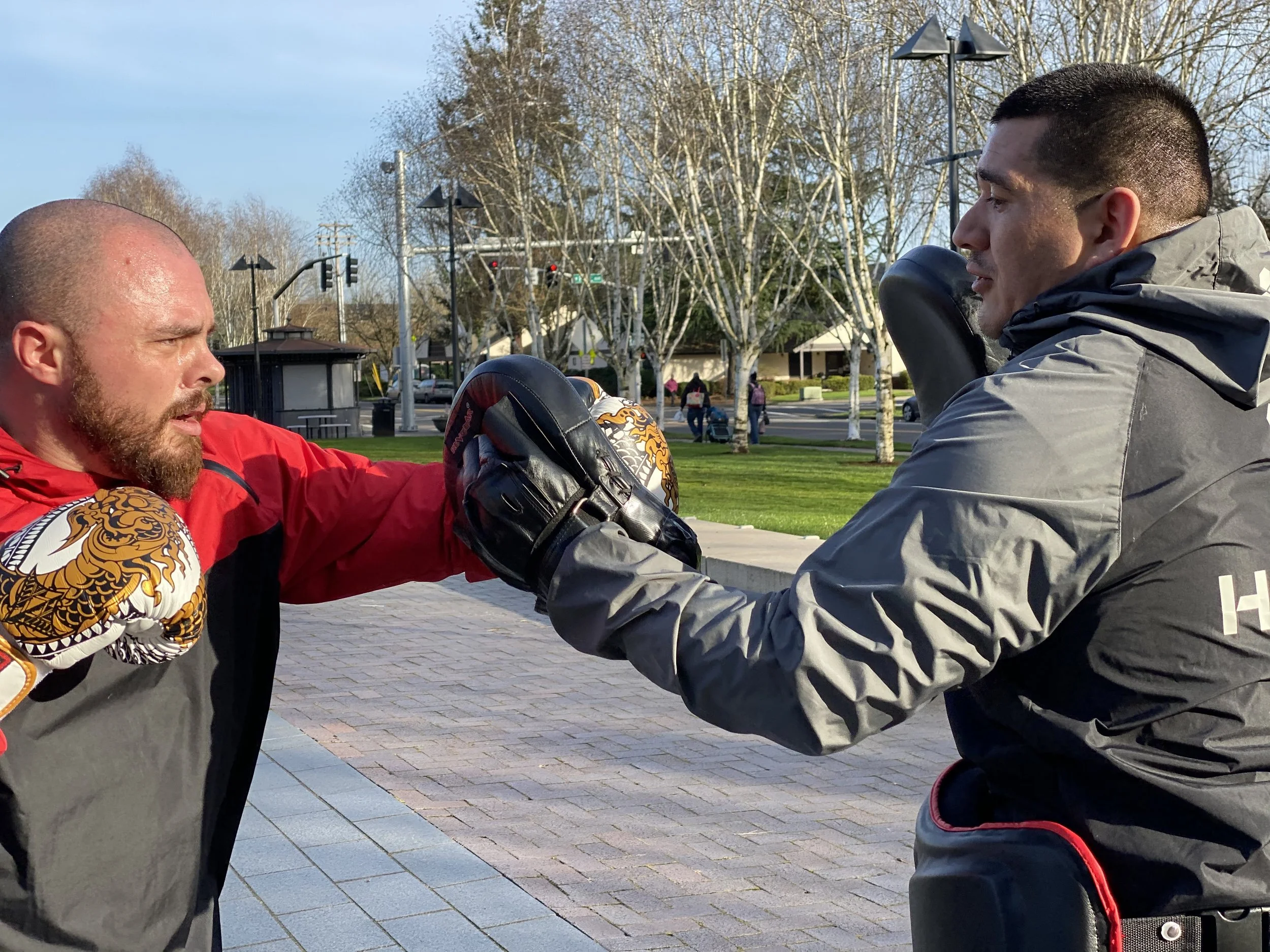
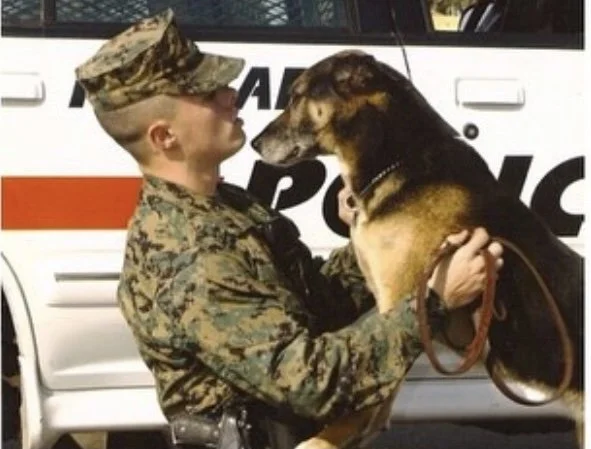
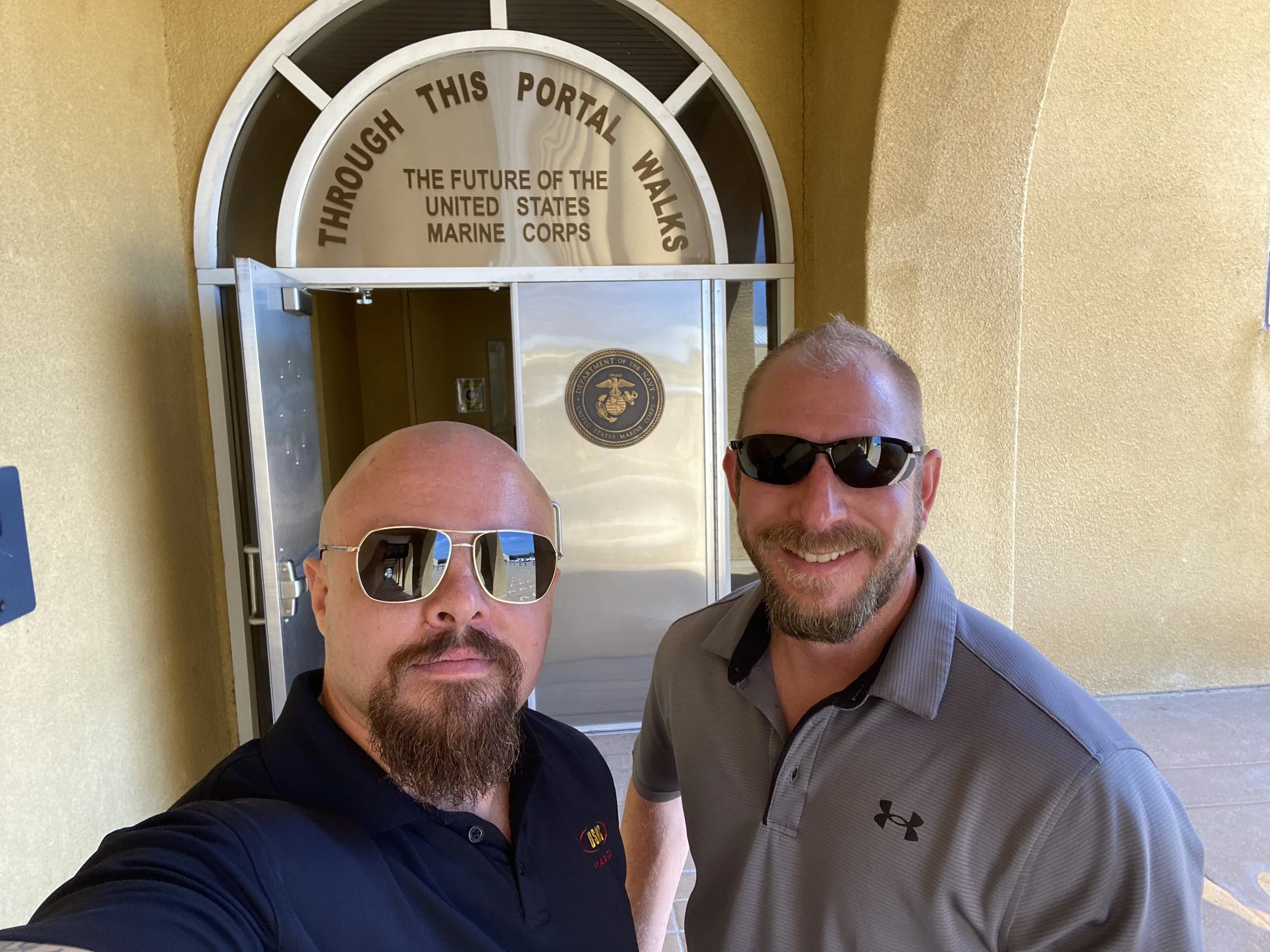
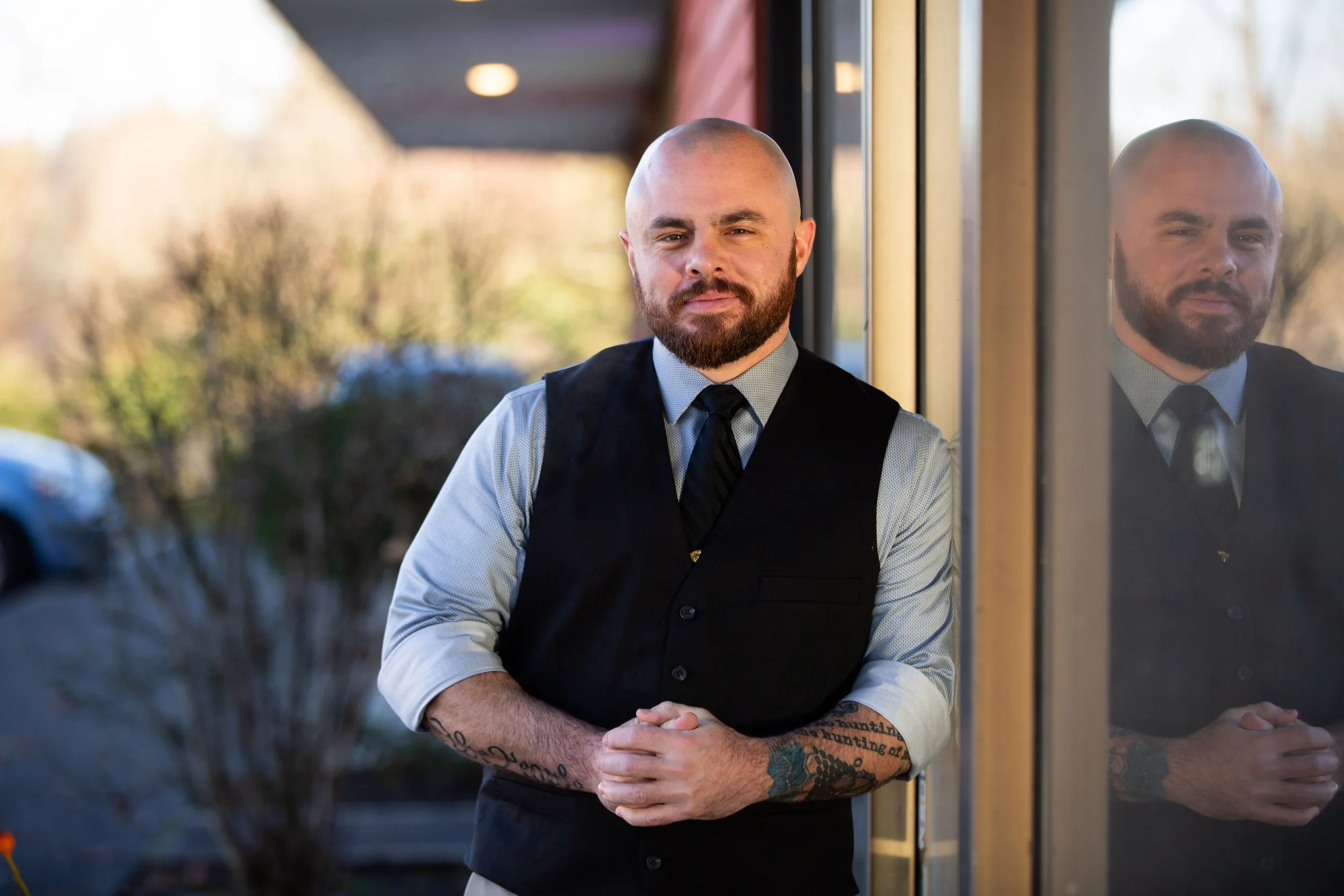
Chris Green is an Associate Marriage and Family Therapist whose work is shaped by a career rooted in service, leadership, and high-responsibility environments. He served as a United States Marine Corps Sergeant, including a combat deployment to Iraq, and later spent over a decade in law enforcement as a Deputy Sheriff, working in patrol, training, and K9 operations. In addition to his military and law enforcement experience, Chris has spent years coaching combat sports, including Muay Thai, boxing, and self-defense. These experiences provide him with a deep understanding of the physical, emotional, and relational demands placed on men, first responders, and those who operate in high-stress, high-stakes environments.
Chris holds a Bachelor’s degree in Behavioral Studies and a Master’s degree in Psychology with an emphasis in Marriage and Family Therapy, and he is currently pursuing his Doctorate of Psychology. His clinical work focuses on men’s mental health, couples and relationship counseling, and supporting first responders, veterans, and their families. He is particularly passionate about helping individuals and couples navigate stress, trauma exposure, identity challenges, and the impact these pressures have on relationships, communication, and connection at home.
His approach to therapy is direct, relational, and grounded in evidence-based practices including attachment theory, cognitive behavioral therapy, psychodynamic work, and mindfulness. Chris believes that real change comes from balancing strength with self-awareness—helping clients develop emotional regulation, personal responsibility, and clarity in how they show up in their lives and relationships. Through this work, he aims to help clients build stronger relationships, a more grounded sense of self, and a life aligned with their values.